Building Secure Client-Server Communications with Smart Card Technology
The Evolution of Secure CommunicationThroughout history, humanity has continuously evolved its communication methods: from handwritten letters to tele...

The Evolution of Secure Communication
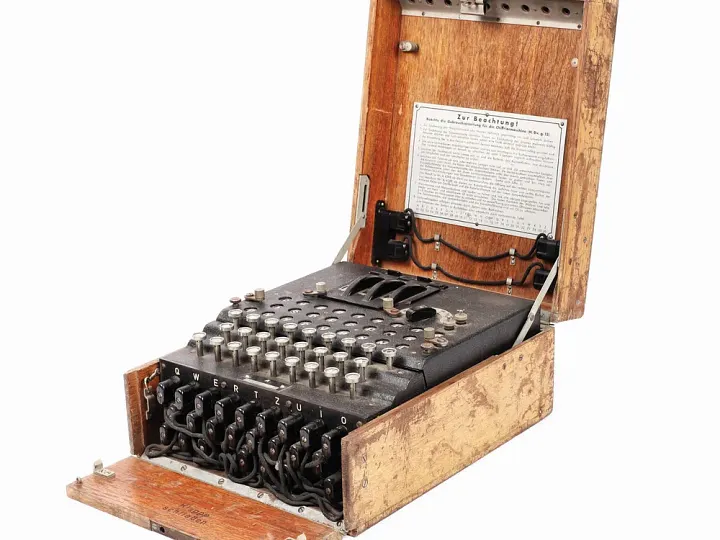
Throughout history, humanity has continuously evolved its communication methods: from handwritten letters to telegraphs, and eventually to modern telecommunications. Today's digital landscape has brought a new challenge to the forefront: ensuring the security and privacy of our communications.
Understanding Secure Communication Fundamentals
A communication channel achieves true security when it satisfies three critical requirements:
Confidentiality - Information remains accessible only to authorized parties
Integrity - Data cannot be modified or tampered with during transmission
Authenticity - Communication partners can verify each other's genuine identity
Smart card technology offers an effective solution for implementing these security principles in client-server architectures.
Smart Cards: An Overview
Smart cards are sophisticated plastic devices equipped with embedded processors capable of performing complex cryptographic operations. Their key capabilities include:
- Secure storage of cryptographic keys in tamper-resistant hardware
- Performing encryption and decryption operations
- Creating and validating digital signatures
The Java Card technology framework enables developers to program these cards, offering extensive customization possibilities for diverse application scenarios.
System Architecture
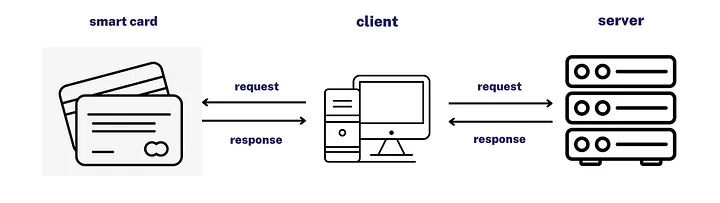
The smart card-enabled system comprises three essential components:
- Smart Card - The secure cryptographic token
- Client Application - A graphical user interface for user interaction, acting as a bridge between the smart card and server
- Server - Handles database operations and manages user resources
Note: The card reader functions as part of the client infrastructure, providing the physical interface to the smart card.
The Security Protocol
This implementation draws inspiration from SSL/TLS protocols, with one notable distinction: it eliminates the need for digital certificates through a custom first-phase design. The protocol operates through three distinct stages:
Stage 1: Initial Card Configuration
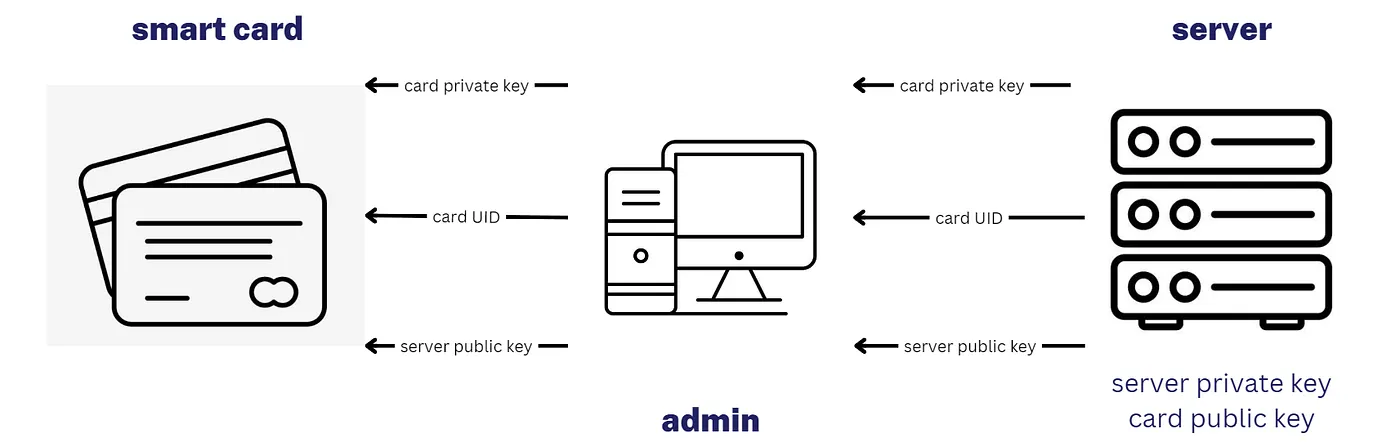
During this one-time setup process, the server provisions a new smart card for each user by:
- Generating and securely storing RSA key pairs on the card
- Assigning a unique identifier to the card
- Establishing the card's cryptographic profile
This initialization occurs only once during the card's operational lifetime.
Stage 2: User Authentication
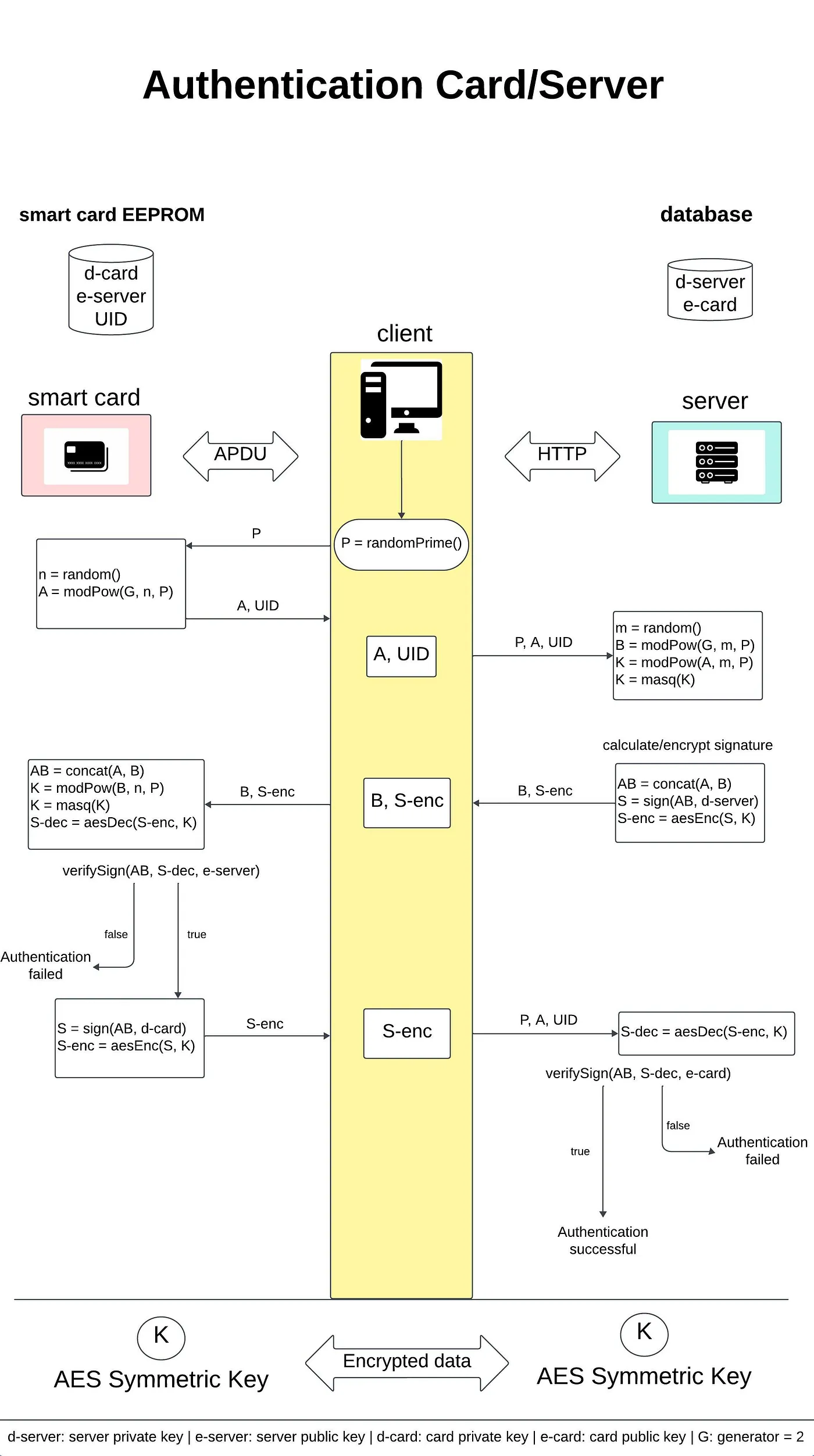
This stage executes each time a user accesses the system and involves two key mechanisms:
Diffie-Hellman Key Exchange
- Creates a shared secret (session key) between client and server
- This key secures all subsequent communications during the session
RSA Digital Signature Verification
- Confirms the identity of both communicating parties
- Leverages the RSA keys established during card customization
- Provides extremely strong security (breaking RSA-2048 encryption through brute force would require computational time 4.13×10²⁷⁸ times longer than the universe's age)
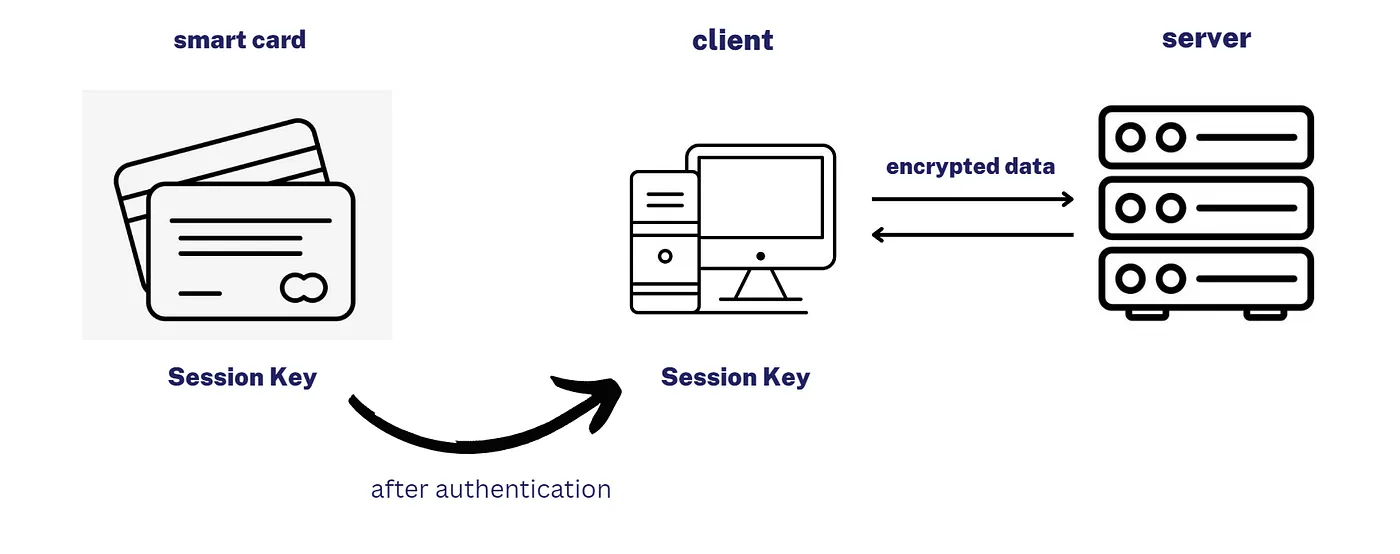
Stage 3: Protected Data Transmission
Once authentication succeeds, secure communication is maintained through:
Encryption: All data exchanged between client and server is encrypted using the session key, ensuring confidentiality
Message Authentication: Each request includes a signature generated with the session key (using HMAC-style verification), guaranteeing both integrity and authenticity throughout the session
Practical Use Cases
Smart card security solutions can be adapted to virtually any client-server application domain:
- Healthcare information systems
- Electronic payment platforms
- Employee access management
- Government services
- Financial transaction systems
When implemented correctly, smart cards deliver robust security while streamlining user authentication processes.
Implementation Resources
For developers interested in exploring a practical implementation, a complete healthcare system example utilizing smart card technology is available on GitHub at Smart-card-based-secure-communication-channel. This reference implementation demonstrates how the concepts discussed above translate into working code, with a working demo showing the secure communication channel in action.